Skip to Content

Rotary Cap Screwing Machine for Plastic Round Screw Cap Bottles

0 review
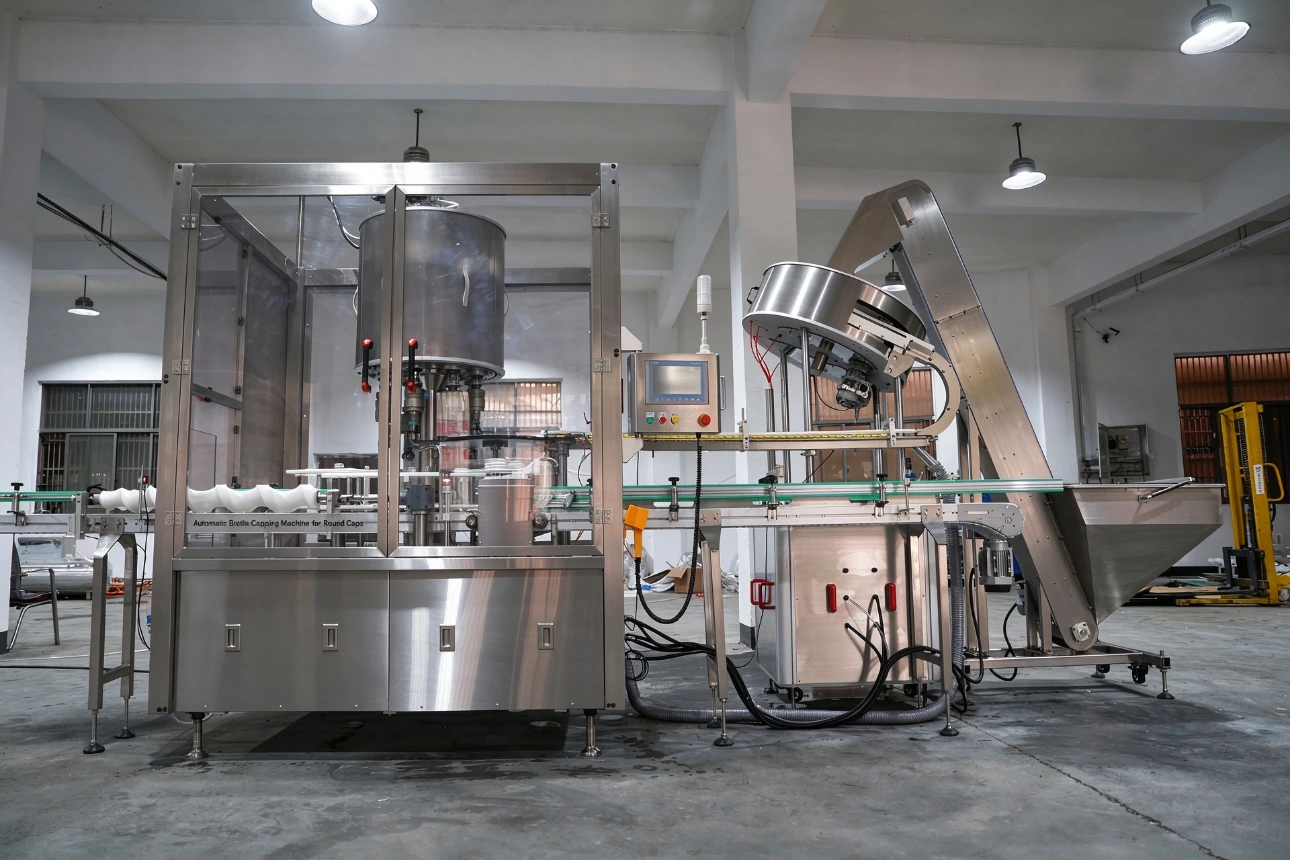
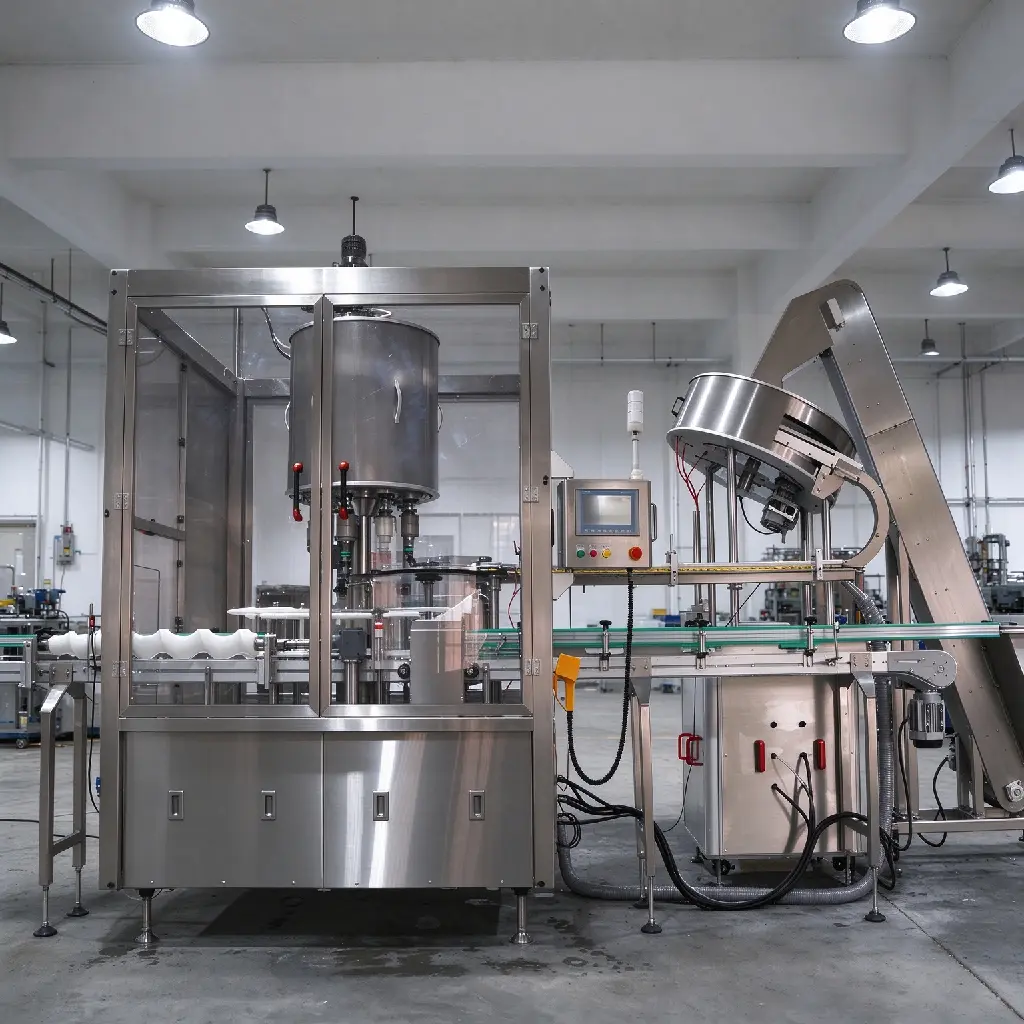
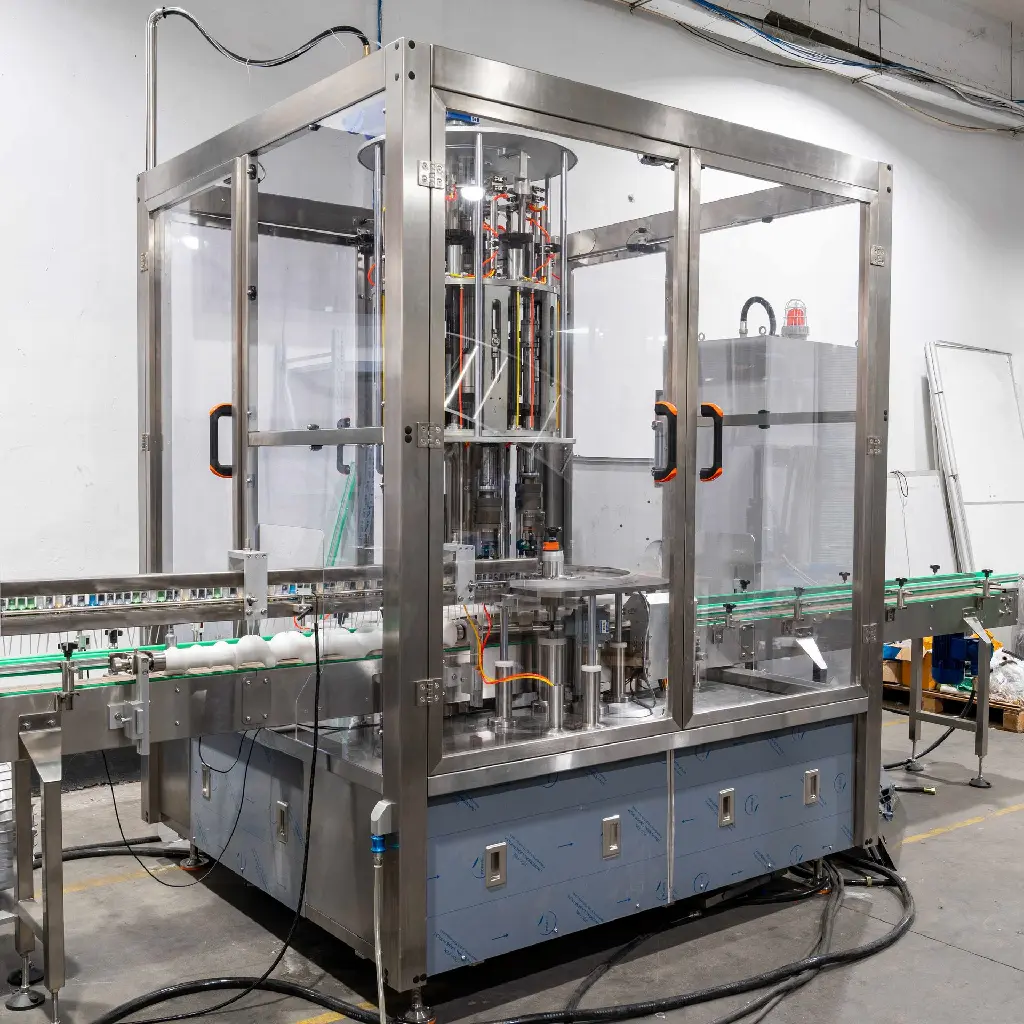
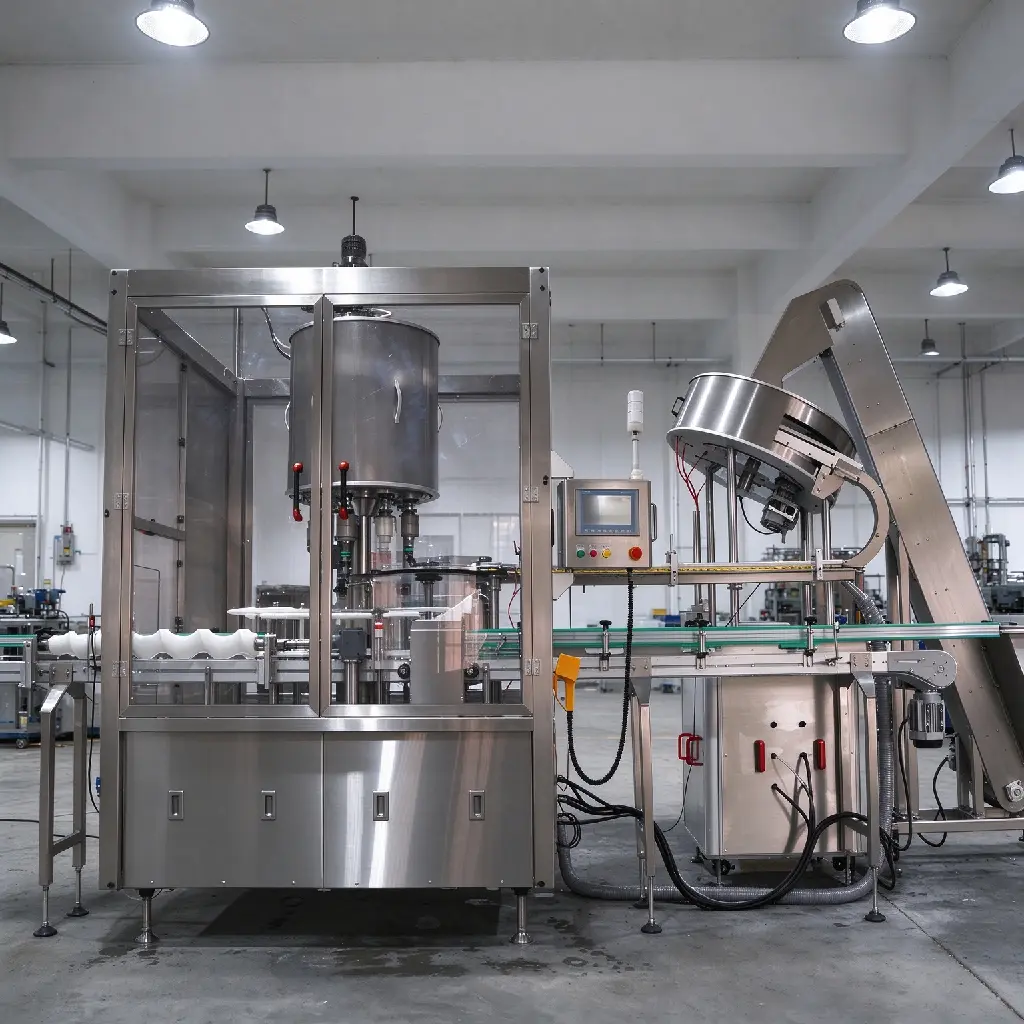
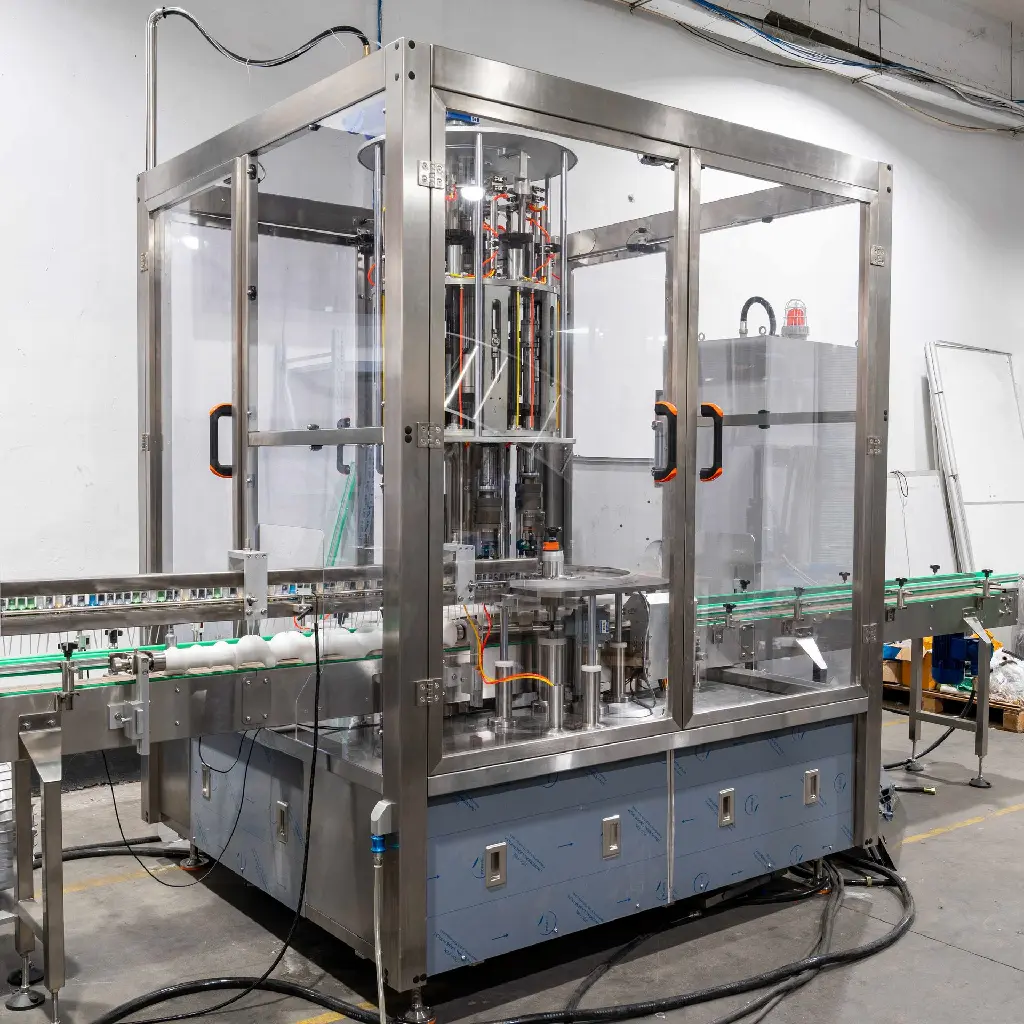
This rotary cap screwing machine is designed to automatically feed, place, and tightly secure round plastic screw caps onto bottles using precise torque control. Widely applied in the daily chemical and personal care industries, it efficiently packages liquid products such as shampoos, body washes, hand soaps, and dish soaps. It ensures consistent, leak-proof sealing while maximizing production efficiency for high-volume plastic bottle packaging lines.
¥ 0.00 ¥ 0.00
  • Application
  • Cap Style
  • Torque
  • Brand
Application Daily Chemical & Personal Care, Cosmetics & Beauty
Cap Style Round Cap
Torque 0.2-20 N·m
Brand RUN-TECH

Product Introduction

Rotary Cap Screwing Machine

  • Servo torque control for repeatable, leak-free 
  • Bottle clamping and guide rails to prevent round-bottle wobble
  • Quick tool-free changeover for varied cap diameters and bottle heights
  • SUS304 structure with polyurethane cap-contact parts for easy washdown

Discover Now

Basic Information

Rotary Cap Screwing Machine

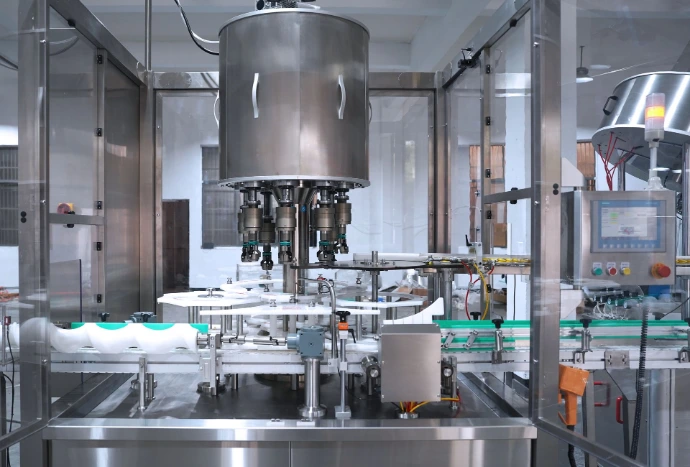
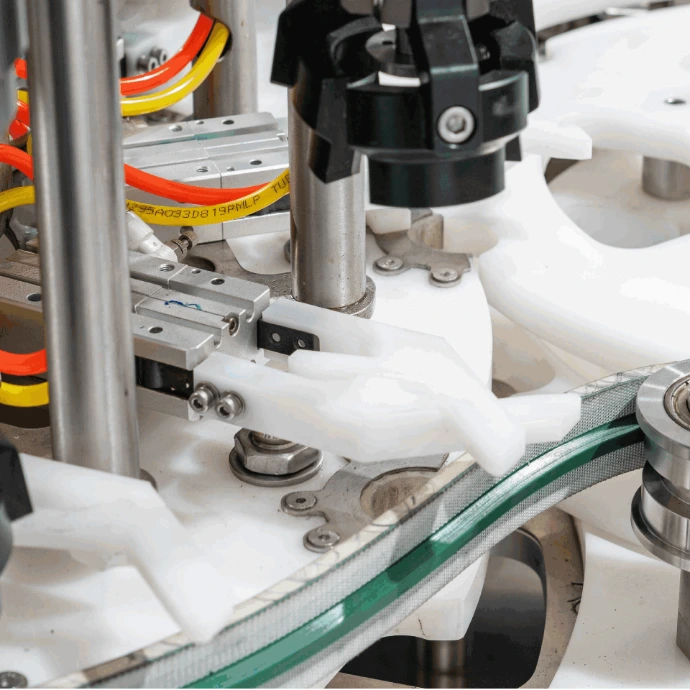
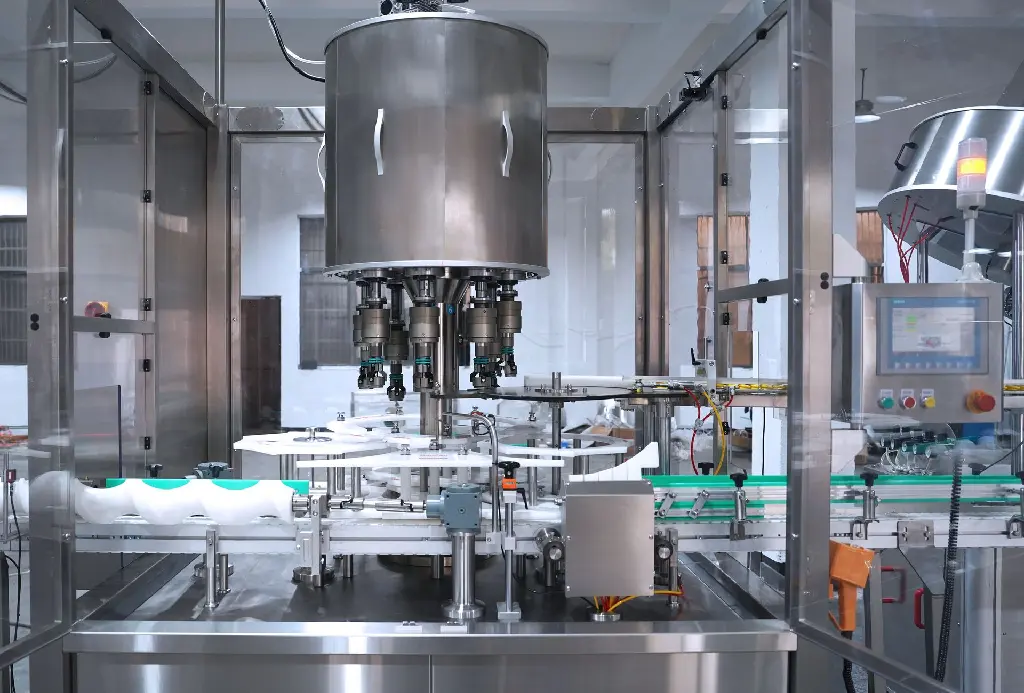
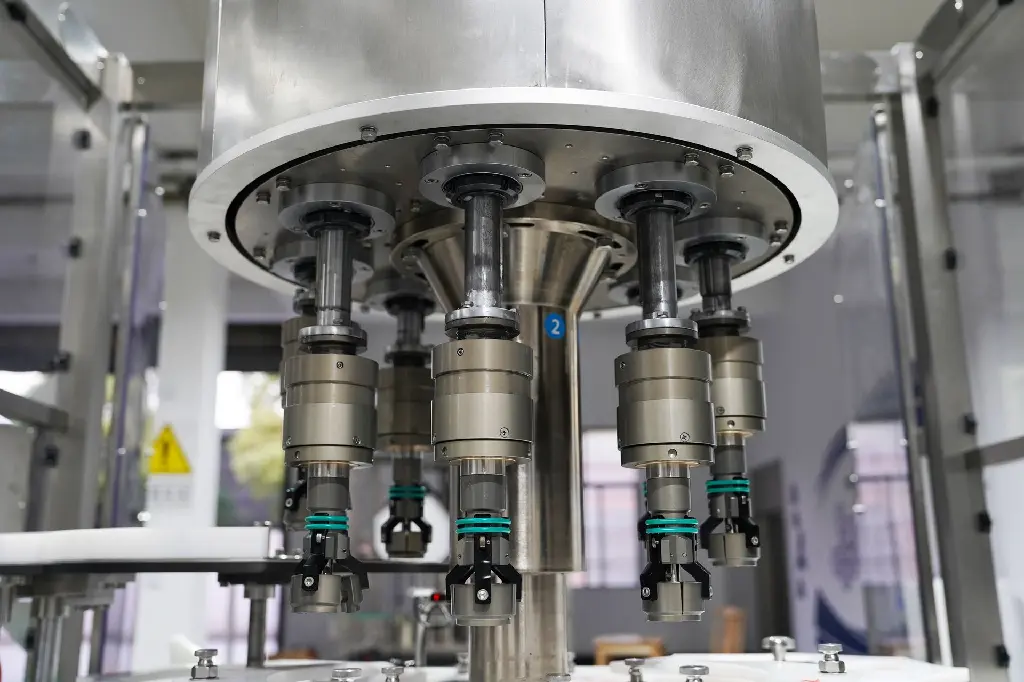
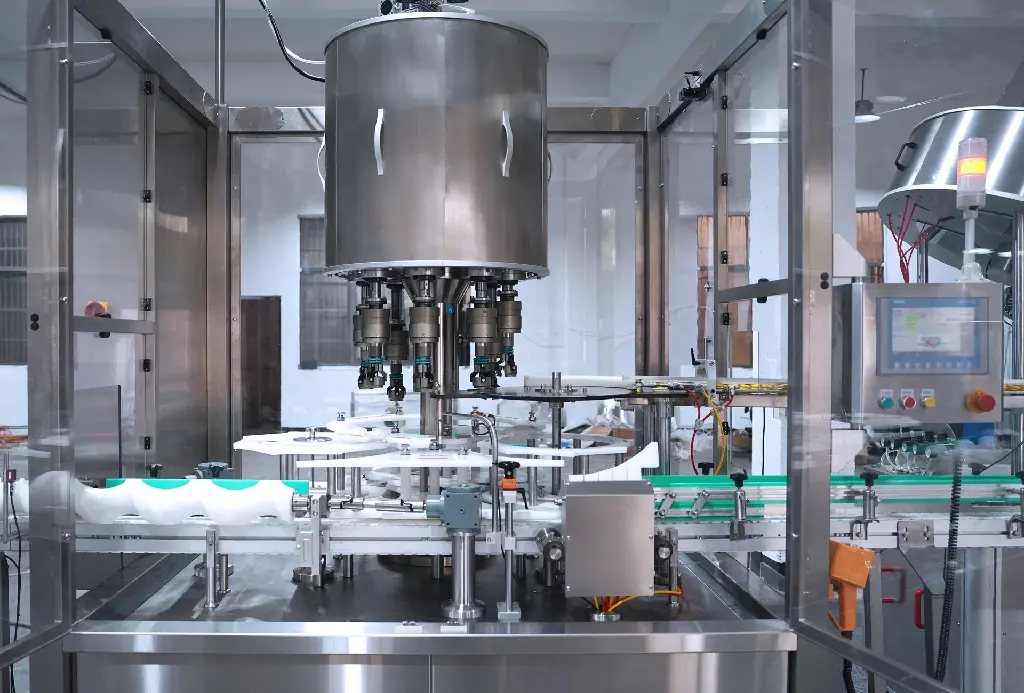
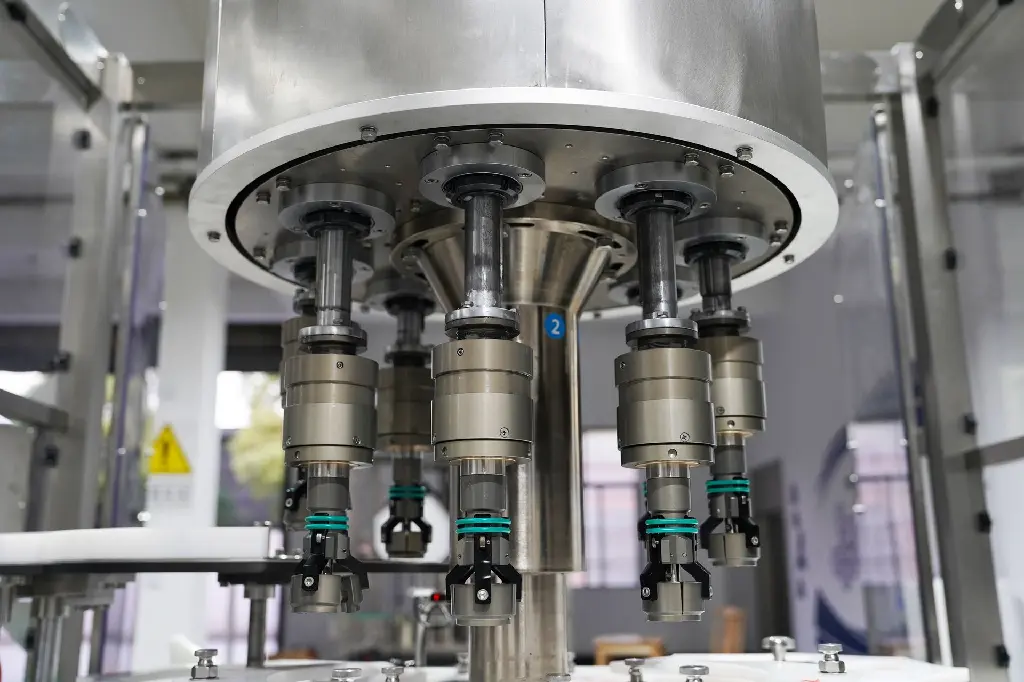
The Rotary Cap Screwing Machine is purpose-built for high-volume lines closing plastic round screw cap bottles. Round caps are unforgiving. A tilted cap, a wet thread or too much torque can cause slipping, cross-threading or a deformed neck. Any one of those faults ends in a leaky bottle.  A plastic bottle cap screwing machine answers this with oriented cap feeding, a synchronized star wheel and eight cap screwing heads. Servo feedback monitors torque in real time. This round cap screwing machine keeps bottles clamped through the whole cycle, so lightweight containers do not wobble as the turret turns. A no-bottle/no-cap interlock stops the cycle when a container is missing. Contact parts use polyurethane and SUS304 for clean, scratch-free handling, and the machine integrates with upstream fillers and downstream labelers through in-line conveyors. With tool-free guide adjustments, this automatic rotary cap screwing machine moves between SKUs in minutes rather than hours.

Rotary Cap Screwing Machine for Your Production Scale

1. Standard Rotary Cap Screwing Machine

A dependable entry point for small and mid-size plants running 60–80 bottles per minute. This automatic cap screwing machine offers consistent servo torque and simple handwheel adjustments without a large footprint.

2. High-Speed Rotary Cap Screwing Machine

Built for demanding lines running at the full 60–100 bottles per minute. Eight heads and continuous indexing keep the machine productive through long shifts.

3. Integrated Rotary Cap Screwing Machine

Configured as an integrated cap screwing machine for production lines, it connects directly to upstream fillers and downstream conveyors. A shared PLC handshake keeps bottle flow synchronized from filling to closure.

4. Flexible Rotary Cap Screwing Machine

Designed for brands with frequent SKU changes and short runs. Tool-free guide and cap-feeding chute adjustments cut changeover to minutes.

Rotary Cap Screwing Machine Applications by Industry

1. Food Industry Applications

A cap screwing machine for food bottles handles sauces, oils and bottled beverages with controlled torque that seals each closure without crushing the neck. Lightweight PET containers stay clamped through the rotary cycle, so the star wheel and guide rails keep round bottles aligned before the screwing heads engage. Torque recipes can be stored in the control system, letting the same rotary cap screwing machine move between wide-mouth sauce jars and slim beverage bottles without changing contact parts.

2. Cosmetic Industry Applications

Where appearance matters as much as sealing, a cap screwing machine for cosmetic bottles relies on polished contact parts and gentle clamping to keep round lotion and cream bottles free of scuffs. Polyurethane cap-contact parts avoid marks on lacquered closures, while servo torque control prevents over-tightening that could distort a premium round cap. Quick tool-free changeover moves a cosmetics line from serum bottles to body-lotion containers in minutes, keeping the finish intact on every SKU.

3. Detergent Industry Applications

Built for slippery residues and high-volume shifts, a cap screwing machine for detergent bottles holds torque steady through servo feedback even when product film reaches the threads. High-friction gripping and synchronized star-wheel timing keep round detergent bottles from spinning in place, so every closure reaches its target torque. The automatic cap screwing machine also handles concentrated formulas that leave a sticky film, with washdown-friendly SUS304 surfaces that clean up quickly between product runs.

Technical Parameters of the Rotary Cap Screwing Machine

Parameter

Source Specification

Applicable bottle

Customized according to customer requirements

Number of capping heads

8 heads

Main-machine dimensions - parameter table

2,000 x 1,800 x 2,950 mm (reference)

Main-machine power

5 kW

Main-machine weight

4,000 kg

Torque-control method

Permanent-magnet clutch

Production capacity

55-60 bottles/minute

Required air supply

0.5-0.6 MPa clean, stable compressed air

Power supply

380 V, 50 Hz

Operating noise

80 dB measured within 1 m of the machine

Conveyor height

950 +/- 50 mm

Adjustable conveyor width

50-100 mm

Compressed-air consumption

0.009 m3/min at the stated clean compressed-air requirement

Machine construction

Main body: SUS304, carbon steel and aluminum alloy; outer frame: SUS304 and acrylic doors; cap-contact parts: polyurethane

Performance & Quality

Maintaining Consistent Torque on Plastic Round Caps

 A cap screwing machine with servo torque control records the torque applied to every closure, so the system corrects any drift before it becomes a leak. With an adjustable-torque cap screwing machine, operators dial in values by cap size without changing mechanical parts.

Preventing Bottle Wobble During Rotary Indexing

Centrifugal force can make lightweight containers wobble as the turret turns. This rotary cap screwing machine uses synchronized star wheels and guide rails to lock each bottle in place. The result: a leak-proof cap screwing machine for round caps, with the neck supported through the full cycle.

Brand-Name Components of the Rotary Cap Screwing Machine

No.

Component

Brand

Model

Unit

Origin

1

PLC

Siemens

S7-200 SMART

set

Germany

2

Touch screen

Siemens

SMART 1000 IE V3

set

Germany

3

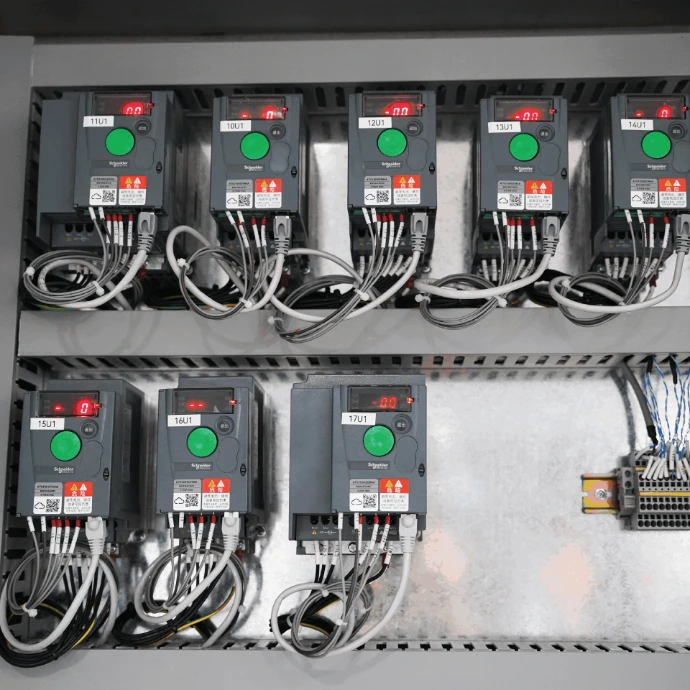
Frequency inverter

Schneider

ATV12 series

set

France

4

Alarm light

Schneider

XVGB3SM

piece

France

5

Photoelectric sensor

Leuze

PRK5 series

piece

Germany

6

Proximity switch

Leuze

IS 118MM series

piece

Germany

7

Air-pressure switch

Airtac

PK506

piece

Taiwan

8

Pressure filter

Airtac

GFR400

piece

Taiwan

9

Solenoid valve

Airtac

4V110

set

Taiwan

10

Encoder

Omron

E6B2

set

Japan

11

Relay

Omron

G6D-F4B-DC24V

set

Japan

12

Miniature circuit breaker

Schneider

OSMC series

set

France

13

Switch-mode power supply

Delta

DRP024V series

piece

Taiwan

FAQ

Q1. How does a rotary cap screwing machine prevent cross-threading?

The machine uses servo torque feedback and a synchronized star wheel to seat each cap squarely before tightening, preventing cross-threading on plastic round caps.

Q2. What is the maximum speed of this cap screwing machine?

The maximum speed is 60–100 bottles per minute, depending on bottle diameter, cap size and product viscosity.

Q3. Which cap sizes does the automatic cap screwing machine accept?

The machine is built around the cap diameter specified in your order; the cap-feeding chute and screwing heads are matched to that cap before delivery. Quick-change parts can be supplied for additional sizes.

Q4. How long does changeover take on a cap screwing machine for plastic round caps?

The machine completes a bottle-size or cap-size changeover in a matter of minutes through handwheel adjustments, with no special tools required.

Q5. Can this automatic cap screwing machine integrate with an existing filling line?

The machine connects to upstream fillers and downstream labelers through an in-line conveyor and a shared PLC handshake.

Reviews