FAQ
1. Does a 28 mm Trigger Sprayer Fit Each 28 mm Bottle Neck?
No. A nominal 28 mm diameter alone does not mean the full neck specification. 28/400 and 28/410 neck finishes are different on thread geometry and shape and cannot be interchangeable. Confirm the complete neck specification, thread shape, sealing, gasket or seal, and drawings before machine designing.
2.What Types of Trigger Sprayers Can the Machine Handle?
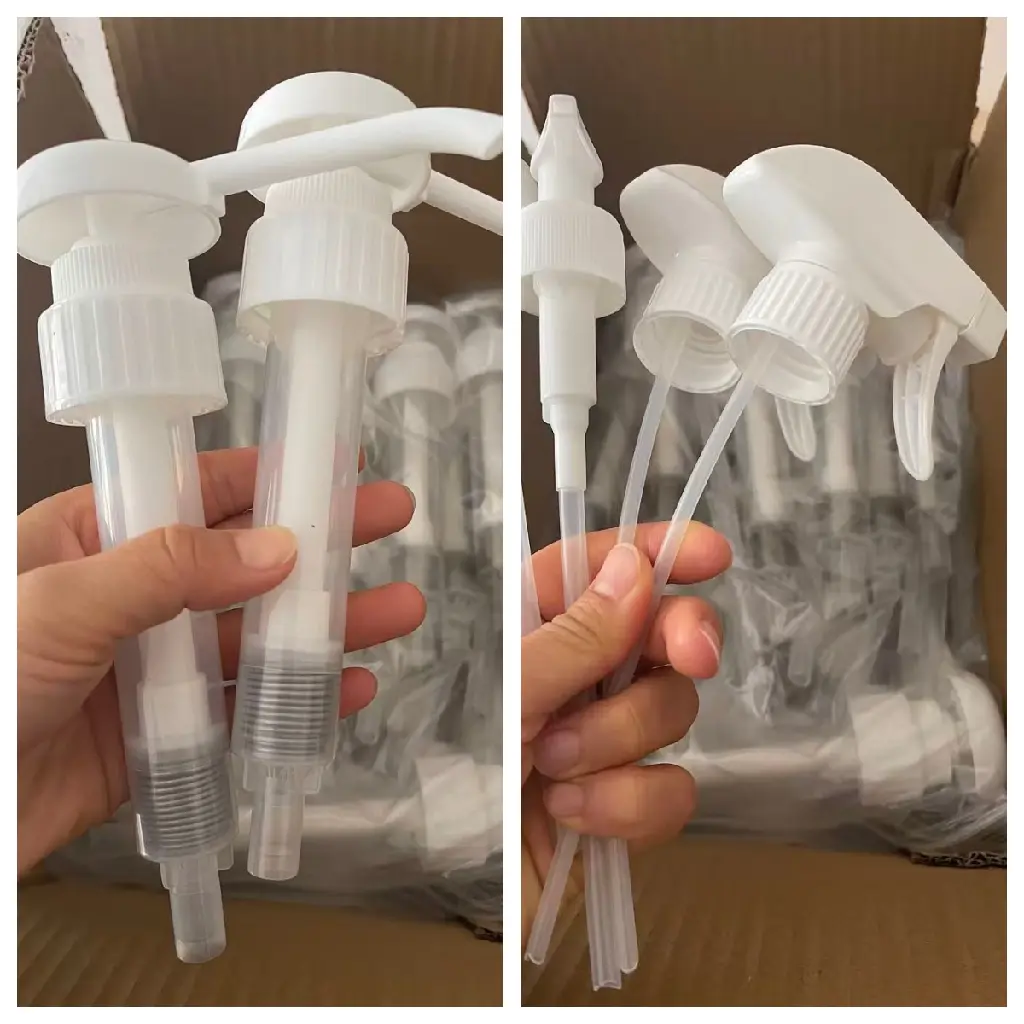
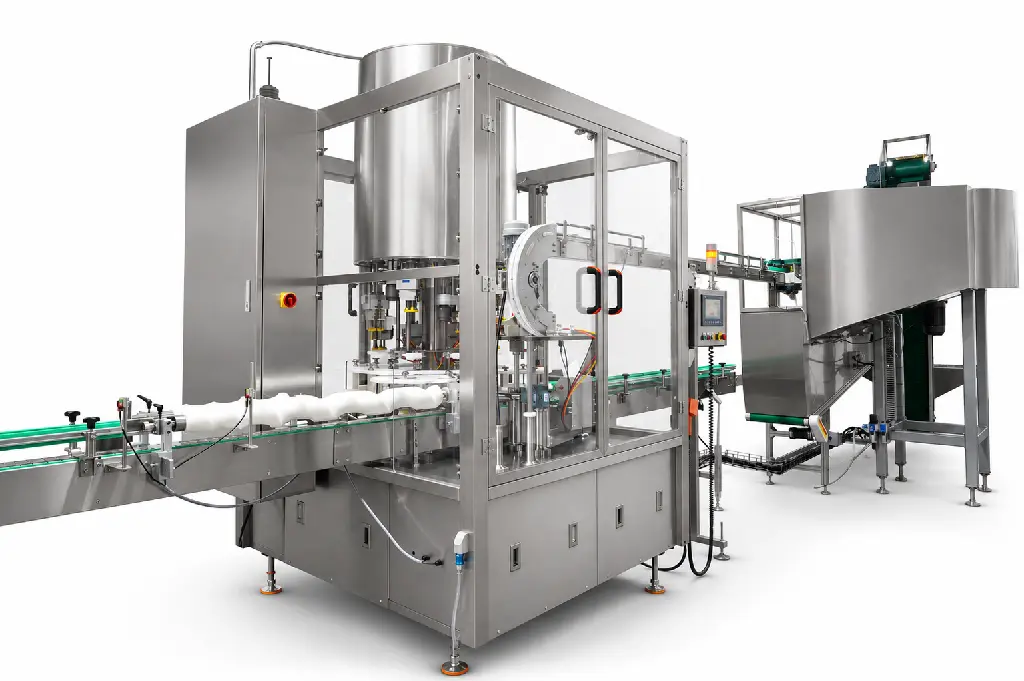
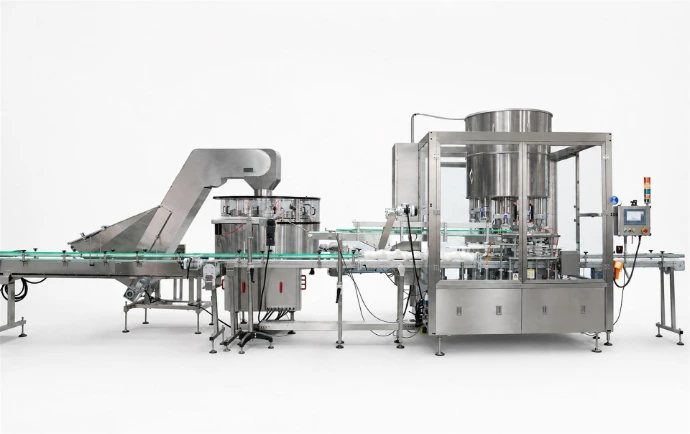
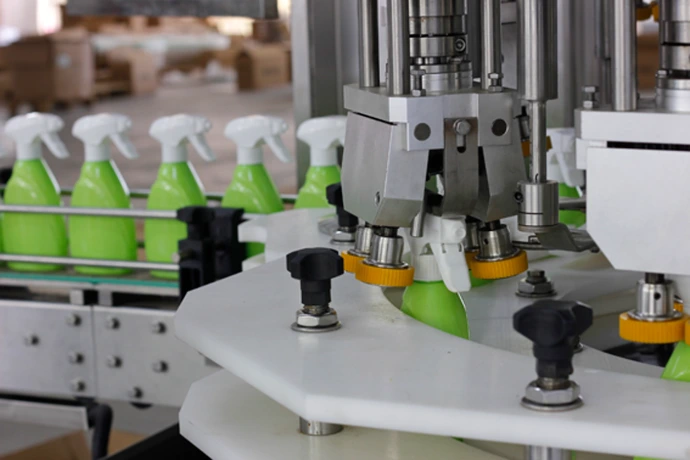
The machine can be designed for different threaded trigger sprayers, bottle shapes and dip-tube lengths. Compatibility depends on the complete closure and container rather than the cap diameter alone. Please provide actual bottles, triggers and technical drawings, because the feeding, insertion and tightening method should be evaluated before quotation.
3.When Does a Trigger Capping Line Need ATEX or Corrosion-Resistant Construction?
Corrosion-resistant construction is required where leakage, vapours or cleaning chemicals may corrode machine surfaces and components. ATEX certification applies only if the equipment will operate within a classified potentially explosive area. The flammability of the product does not determine machine specifications. The end user must supply area classification, substance information, zone designation and applicable regulatory requirements.
4. Is Trigger Feeding Orientation the Same as Final Nozzle Direction?
No. Feeding orientation positions is to turn the cap in right position for conveying. Final nozzle orientation means triggers direction after the thread is fully tightened. Because the process for thread engagement can change angular position, separate orientation control, inspection or closure positioning may be needed when it has serious request on shelf-facing direction.
5. Does the Liquid Product Affect Trigger Capping Performance?
Yes. Even the capper is not used for metering the liquid, filled volume, foam, residue around the neck, leakage, corrosiveness and flammability will affect bottle stability, machine material selection and safety requirements. Buyers should provide material details and representative containers so the capping solution can be reviewed under actual production conditions.
6.What Happens If the Bottle or Trigger Supplier Changes?
If the bottle or trigger supplier changes, the new components should be reviewed before production. Micro differences in thread profile, bottle rigidity, trigger balance, dip-tube curvature or molding tolerance may affect machine performance. Send samples and drawings to check whether existing design and tooling can be used or modifications are required.