Skip to Content

High Speed Self-Adhesive Labeling Machine for Cosmetic Cream Jars

0 review
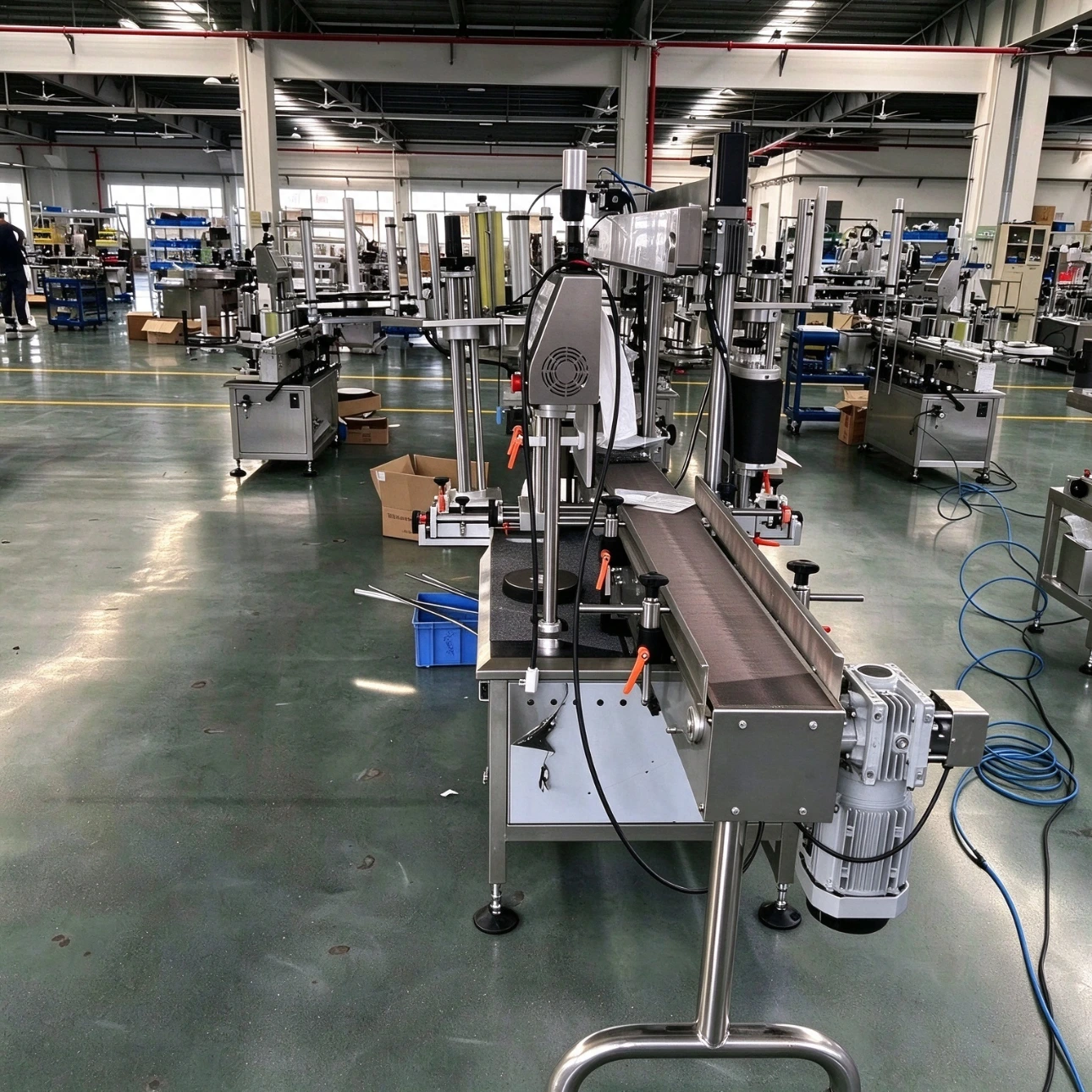
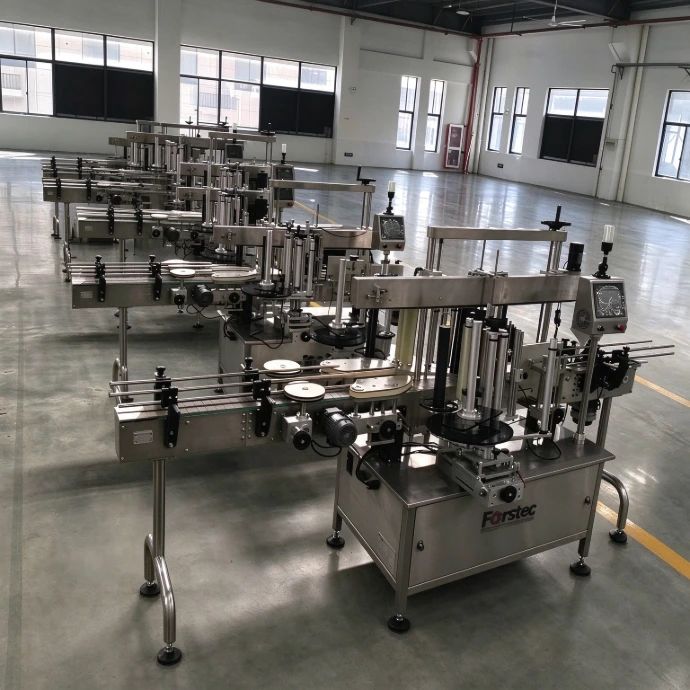
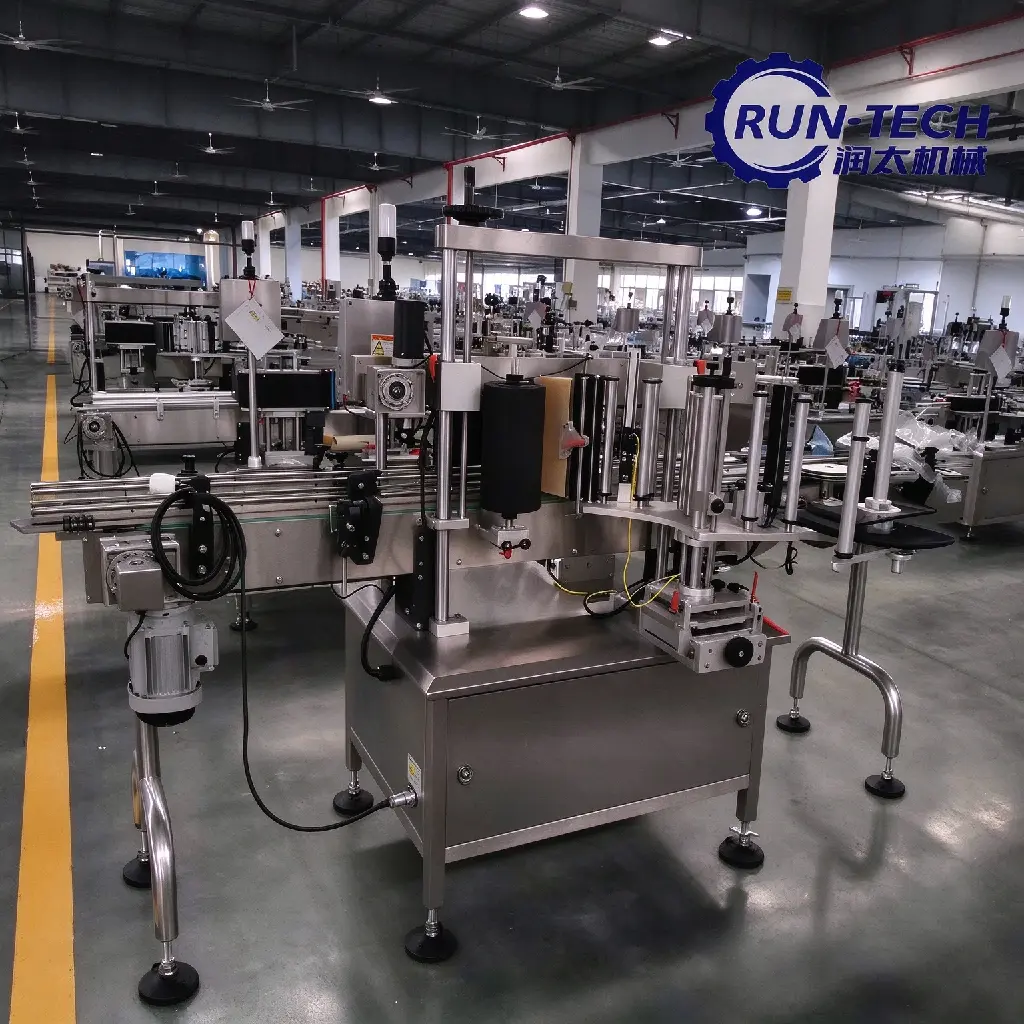
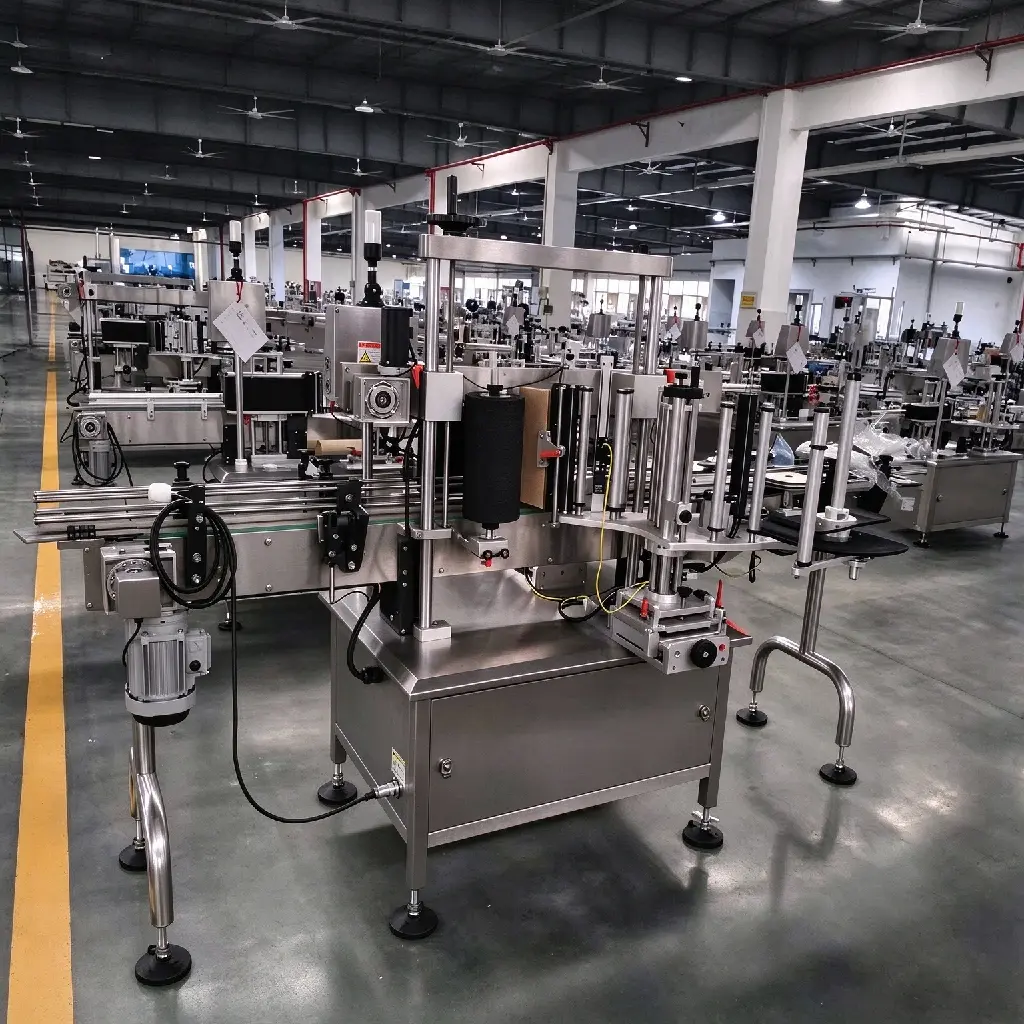
This high-speed labeling machine is specially designed for the cosmetic and daily chemical industries. Its main function is to automatically apply self-adhesive labels to cream jars with high precision, ensuring a smooth, bubble-free finish. Ideal for flat or curved labeling on wide-mouth jars like face creams, hair masks, body lotions, and scrubs, it significantly improves packaging aesthetics and production line efficiency.
¥ 0.00 ¥ 0.00
  • Application
  • Machine Style
  • Material
  • Warranty Period
  • Brand
Application Daily Chemical & Personal Care, Cosmetics & Beauty, Food & Beverage
Machine Style High Speed
Material PVC,PET,OPSetc.
Warranty Period 1 Year
Brand RUN-TECH

Product Introduction

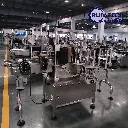
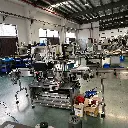
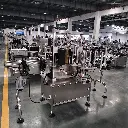
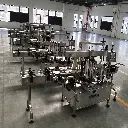
High Speed Self-Adhesive Labeling Machine

  • High-Speed Labeling Head
  • Servo-Driven Label Registration
  • Quick Size Changeover for Jars
  • Sample-Based Customization

Discover Now

Basic Information

High Speed Self-Adhesive Labeling Machine

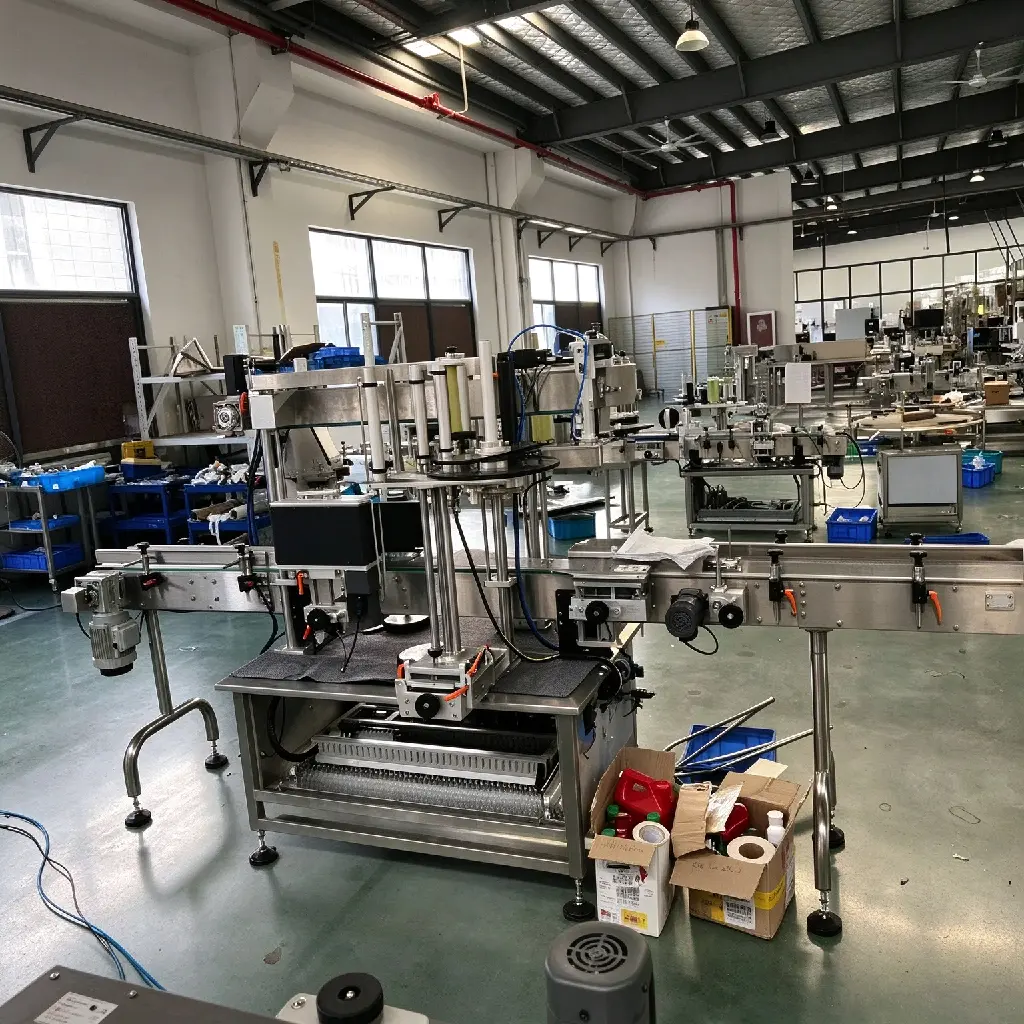
This machine is designed for cosmetics and personal care manufacturing and packaging lines. Our customers include brand manufacturers, OEM/ODM facilities, contract packagers, importers, and line integrators. You can buy it as a standalone sticker labeling machine, or integrate it into a complete cosmetic packaging line upstream of filling and downstream of capping, batch coding, and palletizing. Cream jar labeling on this equipment is scratch-free and position-accurate, supported by servo-driven registration and fast size changeover. As a labeling equipment manufacturer, RUN-TECH runs trial labeling with your actual jars and labels before shipment, so the output you plan for is the output you get.

High Speed Self-Adhesive Labeling Machine for Your Production Scale

1. Labeling Machine by Assisted Operation

For low volumes, frequent product changes, or a limited budget, a benchtop semi-automatic labeling machine is the economical entry point. The operator places each jar by hand, and the machine applies the label with consistent pressure and placement. Output follows the operator's pace, which is exactly why this format stays simple and affordable.

2. Automatic Inline Labeling Machine

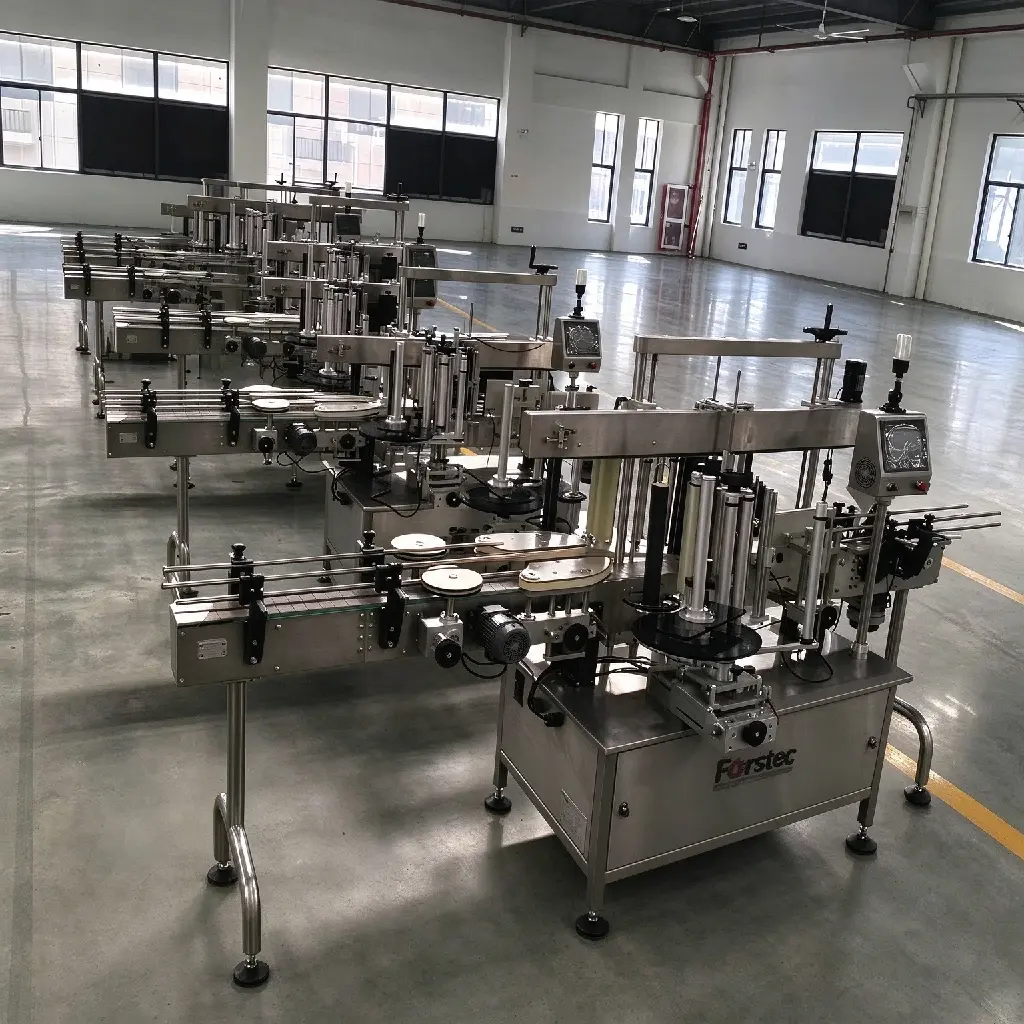
Mid-volume producers running mixed SKUs get the most from an inline labeling machine. Changeover is done with handwheels and stored recipes, so switching to a new jar size takes minutes instead of an hour. This is the standard format for contract packagers and brands with seasonal variants.

3. High-Speed Rotary Labeling Machine

When demand is stable and volume is high, rotary platforms deliver true high speed labeling. A starwheel feeds containers through multiple labeling stations in sync, so output per shift stays consistent. Choose this class when your line runs large single-SKU batches or sustained double shifts.

4. Top and Wrap-Around Labeling Machine

Wide-mouth cream jars often need both a top label and a side or wrap-around label. A combination wrap-around labeler with a top applicator applies both in one pass, keeping the two labels aligned to each other. This removes a second handling step and protects registration across all faces of the jar.


Technical Parameters of the High Speed Self-Adhesive Labeling Machine

Parameter Item

Technical Specification

Machine Model

Automatic Round & Flat Bottle Adhesive Labeling Machine

Applicable Bottle Type

Round, flat, square, oval bottles

Labeling Speed

20-130 bottles/min (Adjustable)

Labeling Accuracy

±1mm

Applicable Label Material

Paper, PVC, PET, synthetic paper self-adhesive stickers

Applicable Bottle Size

Diameter 20-120mm, Height 50-350mm

Label Width Range

15mm – 180mm

Control System

PLC + Servo Motor + Photoelectric Intelligent Detection

Power Supply

220V 50Hz Single Phase

Total Power

2.0KW

Machine Weight

450KG

Overall Dimension

2200*1050*1680mm

High Speed Self-Adhesive Labeling Machine Applications by Industry

1. Skincare & Cosmetics Brands

Face creams, serums, and mask creams in glass or acrylic jars demand cosmetic labeling solutions that protect surface finish. Our jar handling is grip-based, not clamp-based, so containers leave the machine without scratches or fingerprints. Transparent labels lay perfectly flat on polished jar tops, and front panels stay aligned with molded features. For premium skincare packaging, this level of consistency is what consumers read as quality.

2. Contract Packagers & Private Label

Contract fillers live on short runs and frequent SKU switches. Private label packaging jobs often change weekly, so stored recipes and tool-free changeover parts matter more than raw top speed. One operator can retune the machine for a new jar in minutes, then trust recipe recall for the next run. That uptime discipline is how short orders stay profitable.

3. Pharma & Dermocosmetic Ointments

Ointment jar labeling in pharmaceutical and dermocosmetic production carries traceability requirements. Batch coding and labeling run as one linked operation, so each label carries or correlates with its batch and expiry data. We provide GMP-oriented documentation, IQ/OQ support, and material certificates on request. Audit-ready records ship with the machine, not after it.

4. Wellness, Balm & Home Fragrance Products

Lip balm tins, candle jars, and artisan balms come in small batches with high shelf appeal. These makers need flat jar labeling that respects unusual shapes — tins, hexagons, low-profile jars — without paying for a full high-speed line. Gentle handling keeps soft waxes and decorated lids intact. Small batch sizes stay economical through quick changeover rather than raw speed.

Content Block for High Speed Self-Adhesive Labeling Machine

A. Labeling Machine Performance by Accepted Output

A labeling machine should be evaluated by accepted output, not by the speed printed on its nameplate. Real output depends on jar geometry, label variation, upstream feeding stability, downstream line rate, and the reject criteria both parties agree on in writing. RUN-TECH starts by confirming your target production conditions, then runs pressure-sensitive label application trials with your approved products and verifies them continuously during acceptance testing. You receive practical throughput data you can use for capacity planning, staffing decisions, and full-line integration.

B. Cosmetic Jar Labeling Quality, Not Just Speed

Speed is one number among several. Before you compare machines, confirm label registration accuracy across the full jar size range, the bubble and wrinkle rate on your face stock, and how labels conform to both flat tops and curved sides. Transparent label application adds another check: edge alignment against molded or printed jar features. If batch codes are printed on labels or lids, confirm the coding-to-labeling correlation as part of acceptance. These checks take a day of testing and prevent a year of complaints.

FAQ

Q1. Does One Labeling Machine Handle Both Round and Square Cream Jars?

Yes, within a defined size envelope. Changeover means swapping the product handling fixtures and recalling the stored recipe — a 15–30 minute job for a trained operator. Extremely wide, very flat, or unusually shaped jars may need dedicated tooling for reliable flat jar labeling, which we confirm against your samples before quoting.

Q2. What Label Materials Work Best on Cosmetic Cream Jars?

PP and BOPP face stocks dominate transparent label application on glass and acrylic jars; PE suits squeezable containers. The adhesive must match the jar material's surface energy — a label that performs on glass can fail on low-energy PP. We test your exact face stock, adhesive, and jar combination during sampling before we commit to a configuration.

Q3. How Fast Can a High Speed Self-Adhesive Labeling Machine Run?

Typical inline machines run 40–120 jars per minute; rotary platforms go higher. Real labeling machine speed depends on jar geometry, label size and material, and how steadily upstream equipment feeds jars. We quote output based on accepted output from trials with your products, not nameplate ratings, so the number you plan around is the number you get.

Q4. Can the Machine Apply Both the Top Label and the Side Label in One Pass?

Yes. A dual-head configuration applies the top and side labels in a single pass, with servo-driven registration keeping the two aligned to each other. This matters most for flat jar labeling on square containers, where misaligned faces are immediately visible on the shelf. One pass also means one handling step, one machine footprint, and one operator.

Q5. What Should We Provide Before Asking for a Quotation?

Send us the jar drawing with dimensions and material, label dimensions with face stock and adhesive type, your target output rate, and samples of both jars and labels. With these four items we can size the machine, confirm size changeover requirements, and run a trial. Quotations built on real samples rarely need revising later.

Reviews